
Tech for Good, Life First | PowerAdd by Jackery: Powering Rescue Robots with a "Green Heart"
In disaster sites with no power or connectivity, who ensures the "lifeline" for emergency rescue robots deployed into rubble and fire zones?
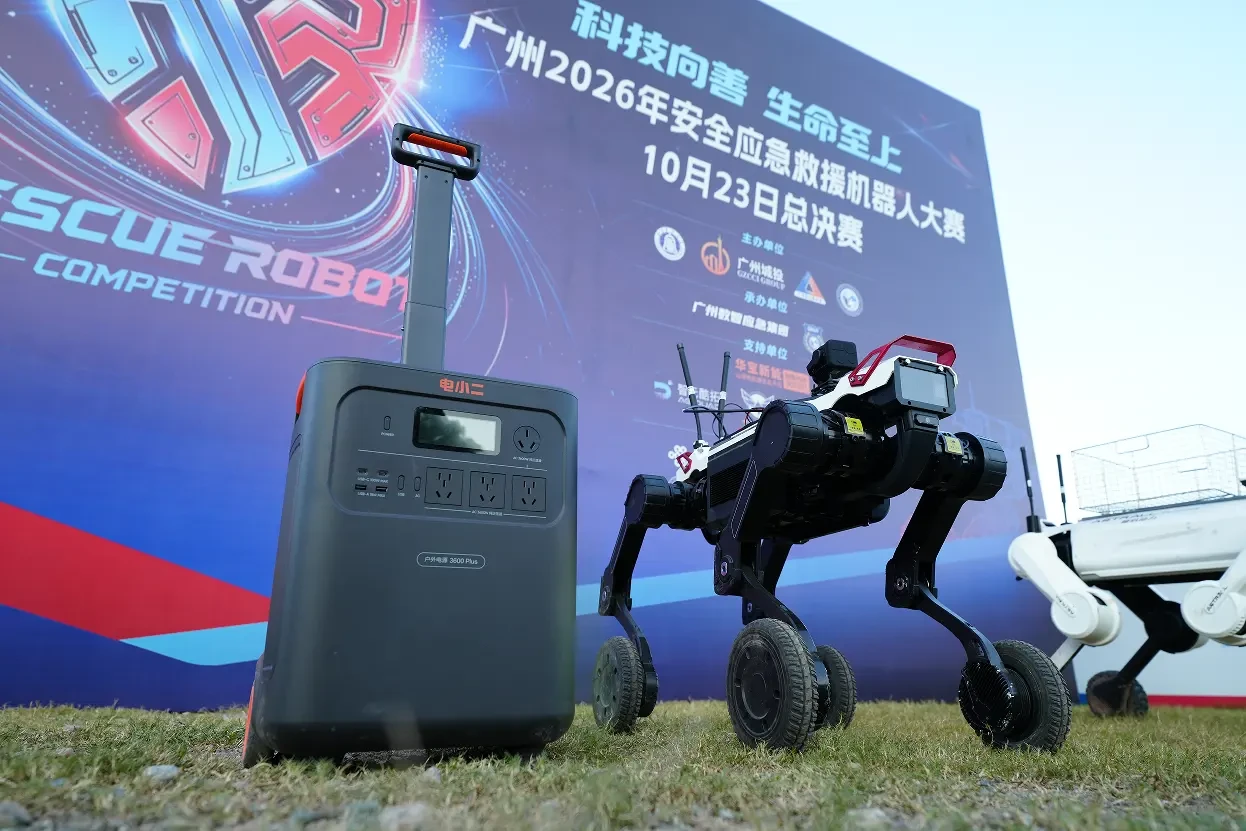
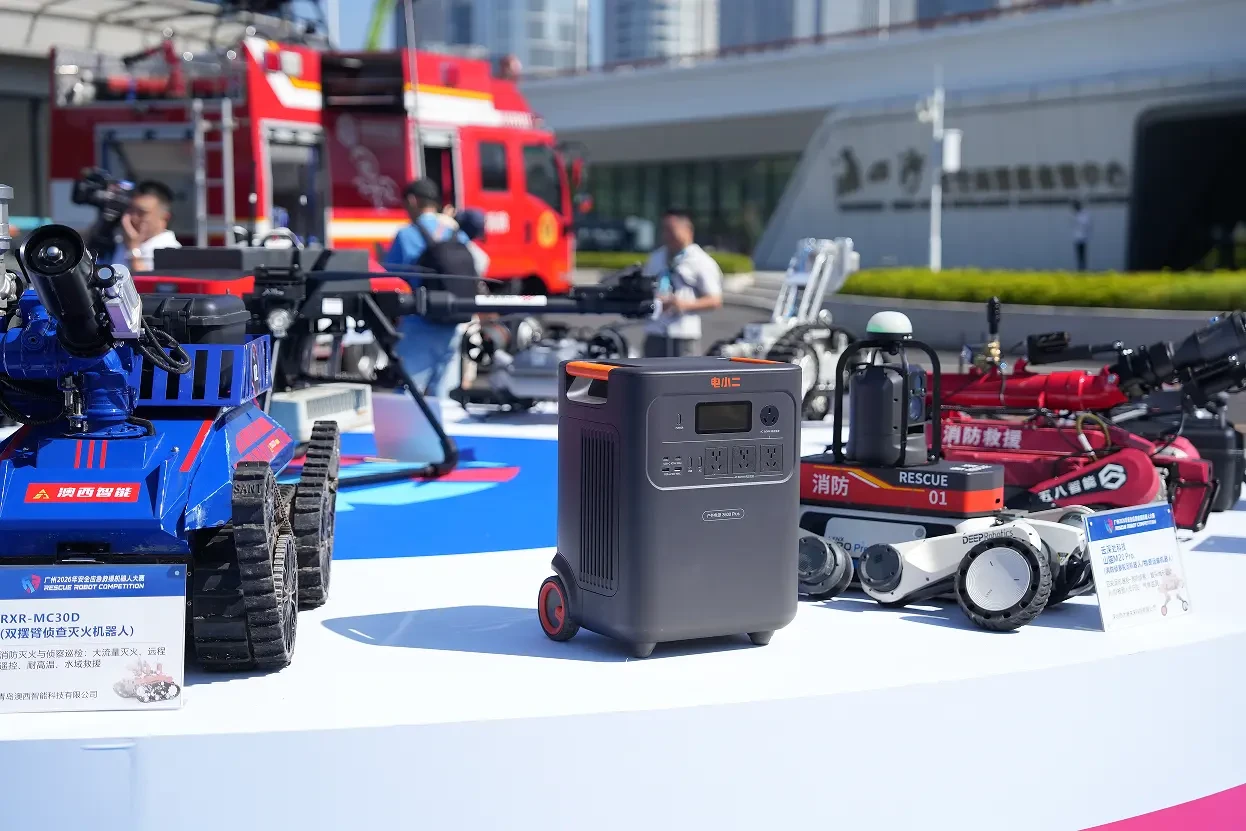
From 10 to 24, the finals and results presentation of the "2026 Guangzhou Safety Emergency Rescue Robot Competition" were held in Guangzhou. As the exclusive title sponsor, Shenzhen PowerOak New Energy Co., Ltd. (hereinafter referred to as "PowerOak") showcased its brand EcoFlow with safe and portable off-grid energy solutions, injecting a powerful "green heart" into this rigorous field test.
From the rescue site to redefining "emergency power."
While standard outdoor power can be planned gradually, emergency response energy must guarantee two things: efficiency in racing against time and reliability under extreme conditions.
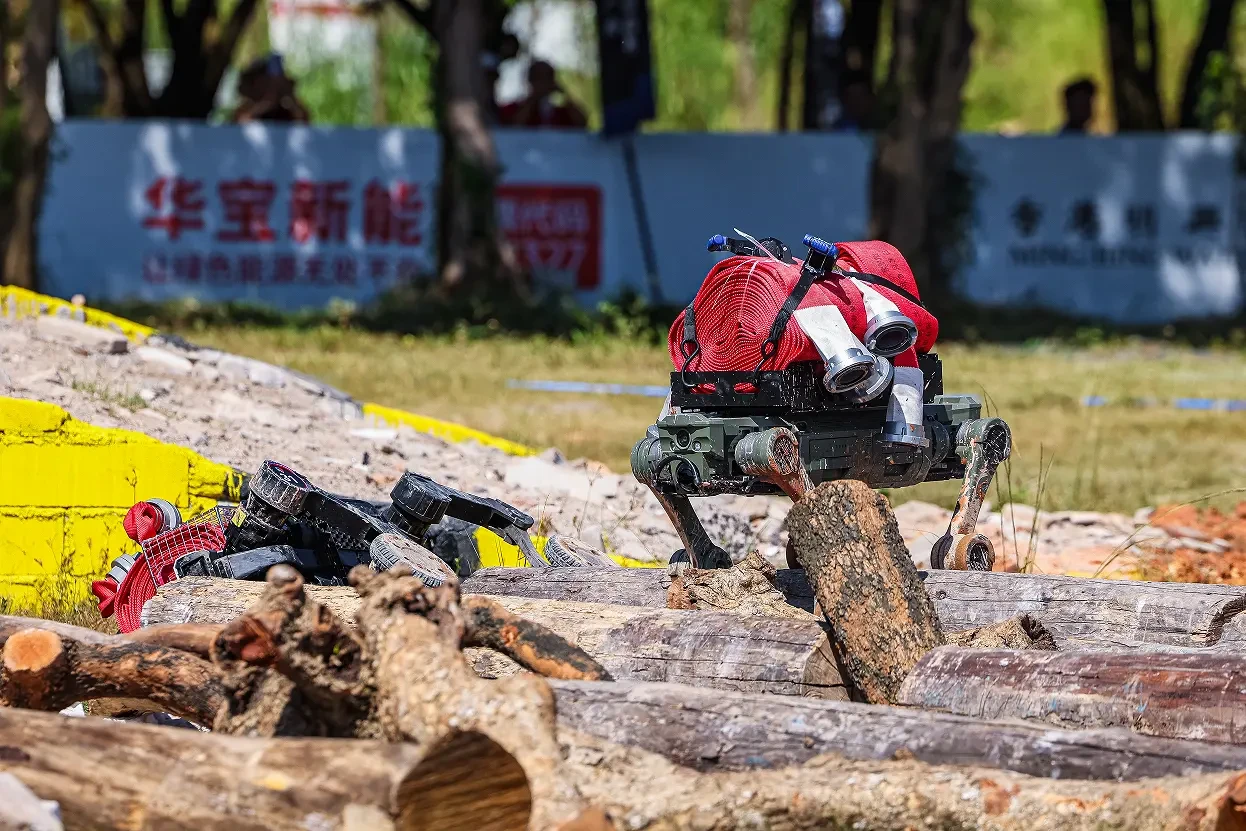
From the Xigaze earthquake in Tibet to the Jilong mudslide, EcoFlow products have repeatedly been deployed on the front lines of real-world rescue operations. These field experiences have taught us that every minute on a rescue site counts—power systems must never fail. To meet this critical need, EcoFlow has launched the 1.5Wh True Rugged 1500 Ultra. Featuring IP65-rated dust and water resistance from chassis to ports, 9-level shockproof certification, and drop protection, it also introduces an industry-first patented bottom-mounted dust-proof cooling structure with washable components. Combined with CTB technology and fast charging capabilities, the 1500 Ultra ensures maximum efficiency and reliability in emergency scenarios.
Replace traditional fuel engines to become robots' "mobile charging stations."
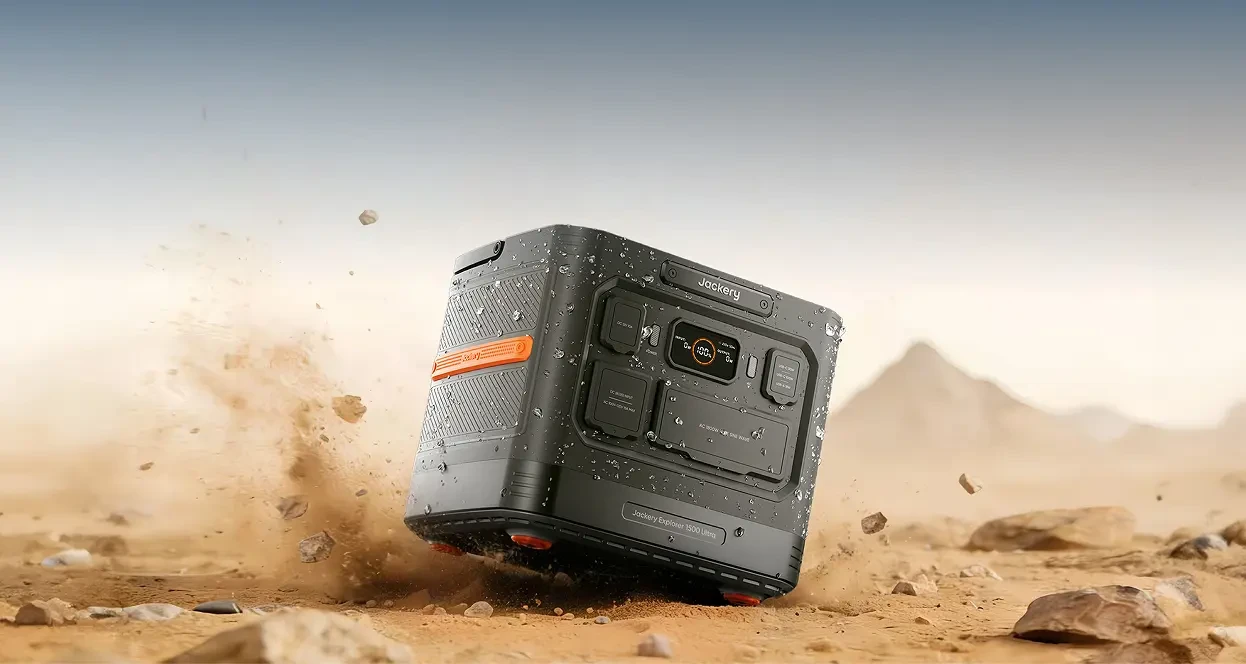
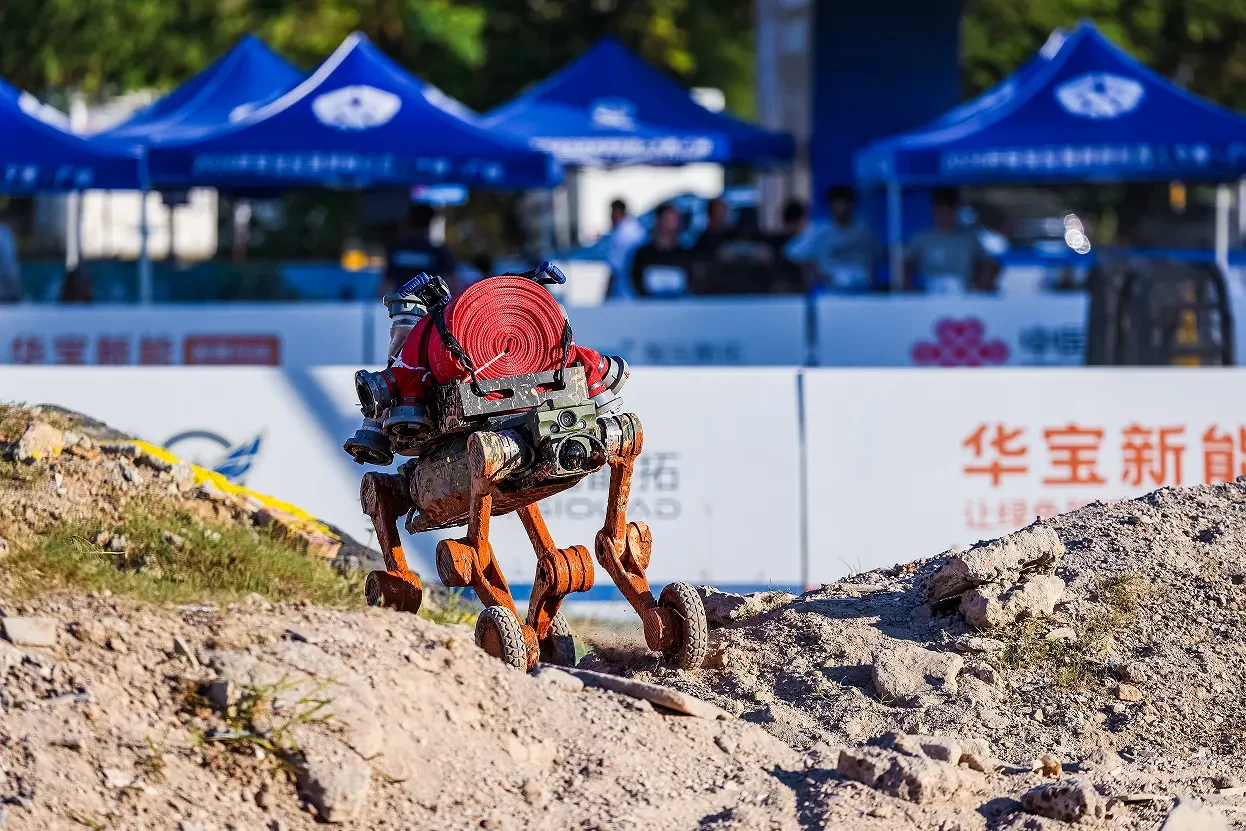
This competition focuses on high-rise fire and natural disaster rescue, pushing special robots to their limits with continuous operation demands. Sun Zhongwei, Chairman of Jackery, stated: "Without reliable off-grid power support, even the most advanced intelligence cannot translate into effective rescue capabilities."
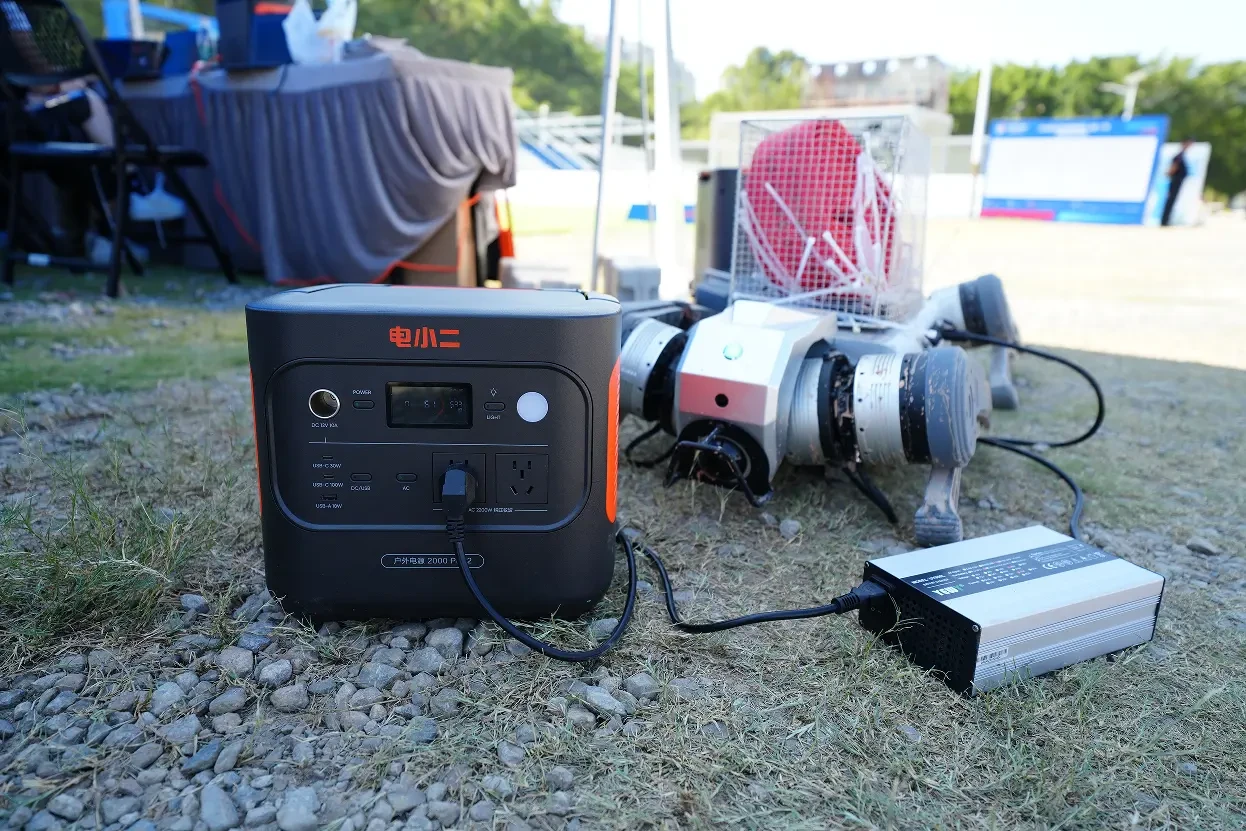
In simulated blackout disaster zones, Jackery is more than just a charging station for rescue robots. It replaces traditional, bulky, and polluting fuel generators, enabling rapid recharging of robots during rotation cycles. Its solar panels maintain high efficiency even on cloudy days. Combined with fast-charging capabilities of the outdoor power stations, it significantly reduces non-operational downtime. More importantly, these power units provide emergency power to satellite communication devices and relay base stations, ensuring uninterrupted robot control links and real-time video transmission. This enables "human-machine collaboration" to extend effectively even in communication blind spots.
"Light-storage + Robotics" Concept: Sketching a New Future for Rescue Operations
At CES 2026, EcoFlow debuted its "Solar-Powered Mars Robot," a concept integrating solar energy storage with robotics that was named one of Time's Best Inventions of the Year. This innovative product concept is paving the way for the future of emergency rescue.
Unlike traditional power sources that require manual transport, the Solar-Powered Mars Robot achieves self-generation, self-mobility, and self-recharging. Equipped with foldable photovoltaic panels and a dual-axis solar tracking system, it maximizes sunlight capture even in cloudy or dusty disaster zones. Combined with an integrated solar-storage-charging design and high-precision autonomous navigation with obstacle avoidance, it can move freely in complex environments to provide continuous, unattended power.
In the future, rescue robots and solar-storage Mars robots will work side by side—powering up wherever robots go, extending search-and-rescue operations wherever they reach, and completely eliminating reliance on power grids or fixed charging infrastructure.
"Light Storage + Robotics": Envisioning the Future of Rescue Operations
The "Solar-Powered Mars Robot" showcased by EcoFlow at CES 2026, recognized as one of Time's Best Inventions of the Year, embodies an integrated "solar + robotics" concept poised to shape the future of emergency response.
Unlike traditional power sources requiring manual transport, the Solar-Powered Mars Robot generates its own energy, moves autonomously, and recharges itself. Equipped with foldable solar panels and a dual-axis sun-tracking system, it maximizes sunlight capture even in cloudy or dusty disaster zones. Integrated with a unified solar-storage-charging design and high-precision autonomous navigation with obstacle avoidance, it operates freely in complex environments to deliver continuous, unattended power.
In the future, rescue robots and light-storage Mars robots will work side by side—wherever the robots go, power follows, search-and-rescue operations extend, completely eliminating reliance on the power grid or fixed charging infrastructure.